Private preview

Enter the preview password.

This website is currently available to invited reviewers.

Tissue-specific biomaterials.
The matrix, made simple.

Decellularized extracellular matrix, in the format your research needs.

Explore biomaterials

Choose the tissueLung · Liver · Heart · Skeletal muscle · Skin · Kidney

Choose the chemistryNative · Methacrylated

Choose the formatPowder · Sponge · Scaffold · Pre-gel

A closer look.

Start with the tissue.
Build around your cells.

We develop tissue-derived ECM materials for cell culture.

Choose a tissue source, chemistry and format for your model.

Choose your format.

Dry ECM, pre-gel solutions and three-dimensional matrices.
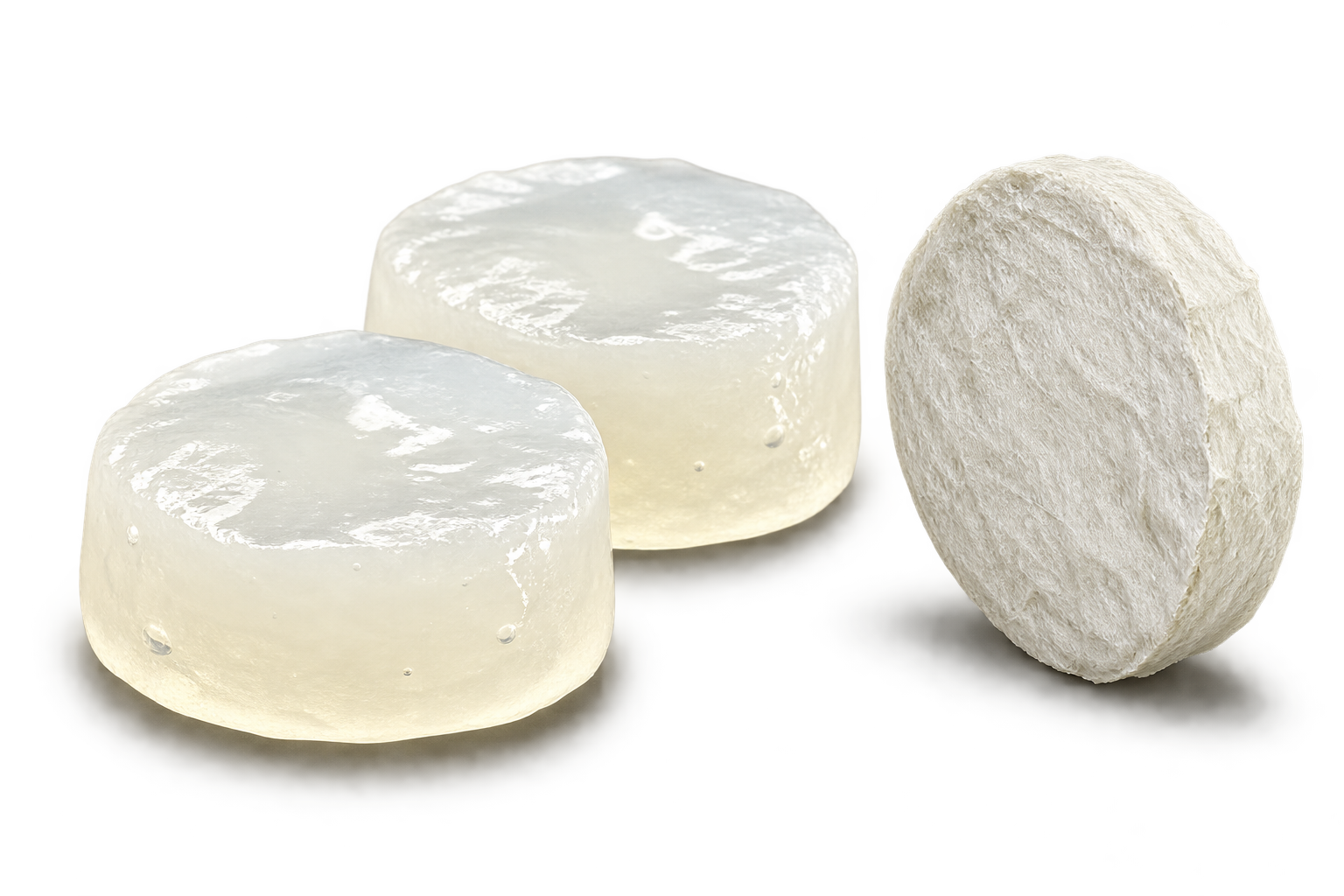
Two pale, translucent hydrated gel discs beside a dry, matte fibrous ECM sponge.
Hydrated gels Dry sponge
PowderA dry starting material

Dry ECM for preparing your own formulations.

SpongeA porous, pre-formed matrix

A cohesive, fibrous dry material that can be handled as a piece and rehydrated for use.

ScaffoldA defined three-dimensional form

A structured, three-dimensional ECM format for cell culture.

Pre-gel solutionPrepared for formulation

ECM in solution for preparing a hydrogel.

Neutralized pre-gelPrepared for gel formation

Pre-gel adjusted to the target pH before gelation.

HydrogelA hydrated 3D matrix

A hydrated ECM matrix, formed as a free-standing gel or cast in culture wells.
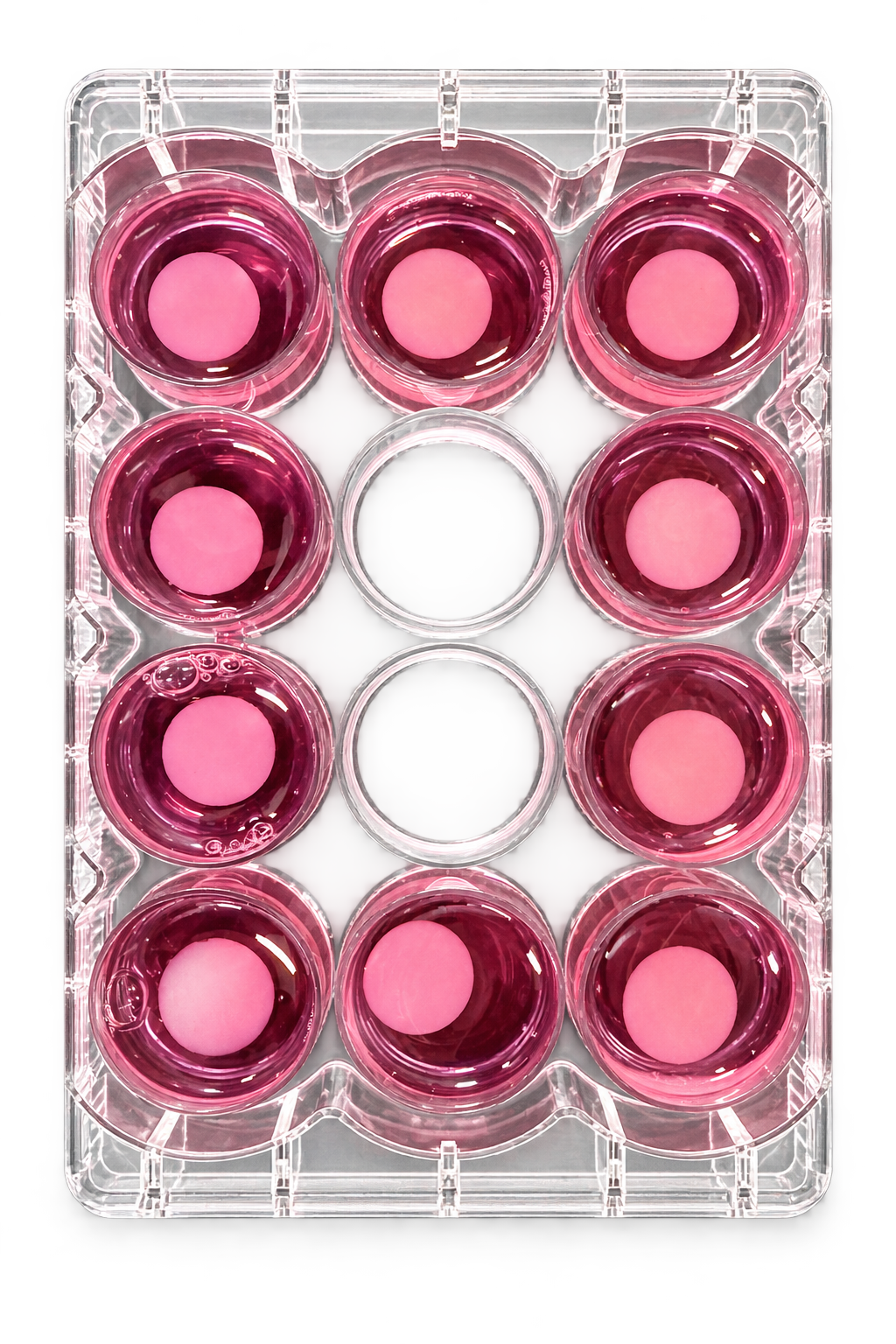
Explore the product family
A 12-well culture plate with gel discs in ten wells and two empty central wells.

From formulation to culture

Cast in culture wells.

Cast a hydrogel directly in culture wells.

Tissue-specific ECM.
For 3D cell culture.

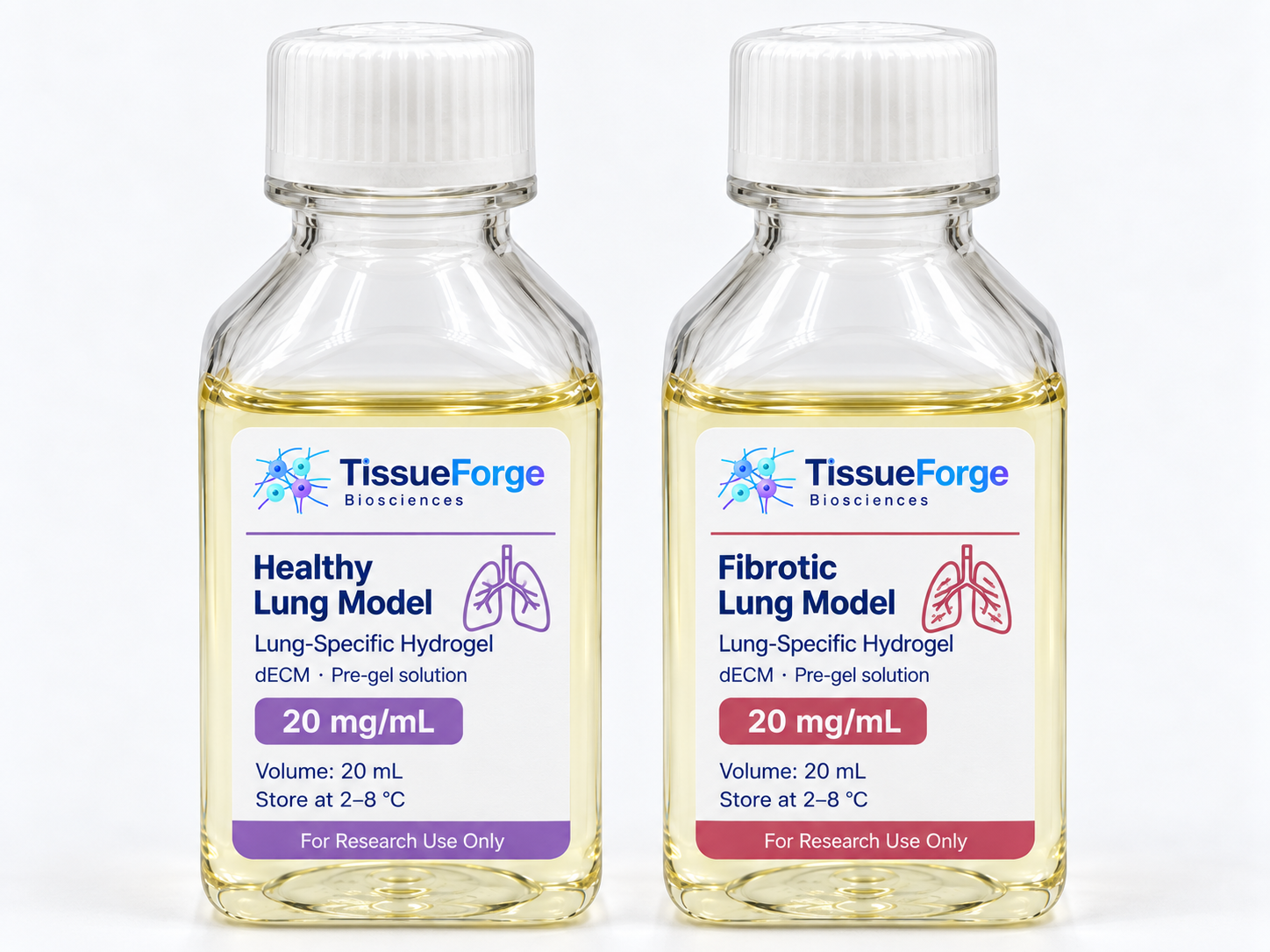
Lung research kit

Packaging preview
TissueForge research-kit packaging: Healthy Lung Model with a purple label and Fibrotic Lung Model with a coral label.

Healthy lung model

Softer lung ECM.

Lung-derived ECM for studying cells in a more compliant environment.

Fibrotic lung model

Stiffer lung ECM.

A higher-stiffness environment for lung-fibrosis research.

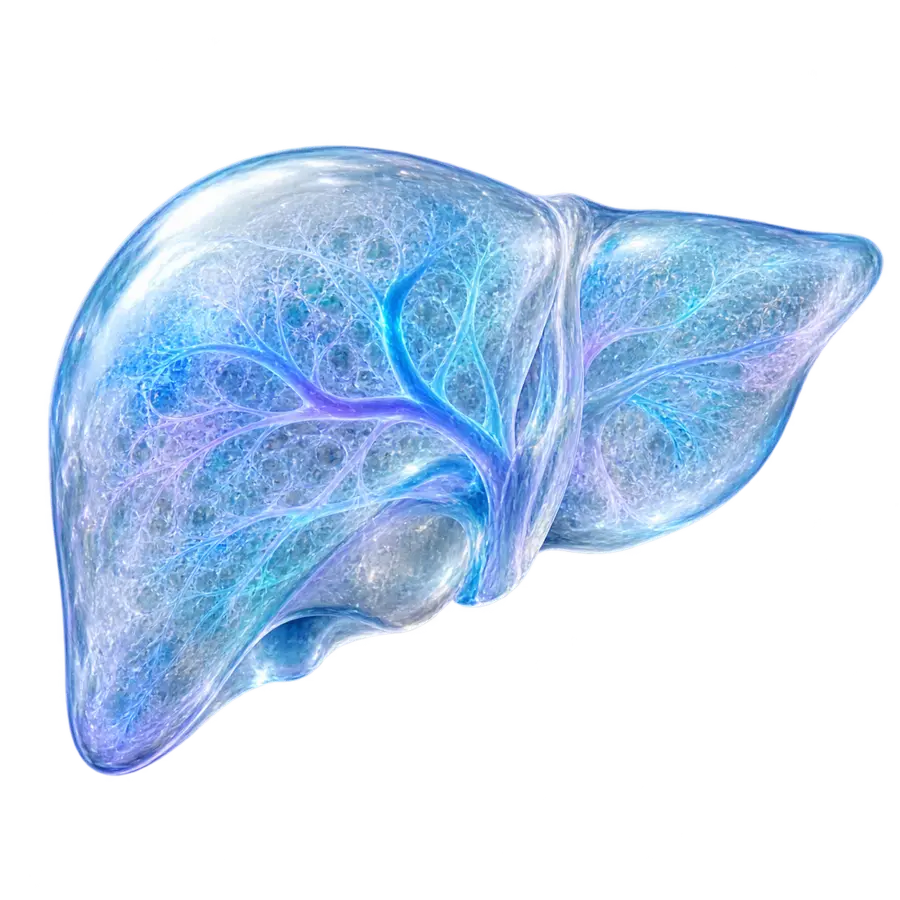
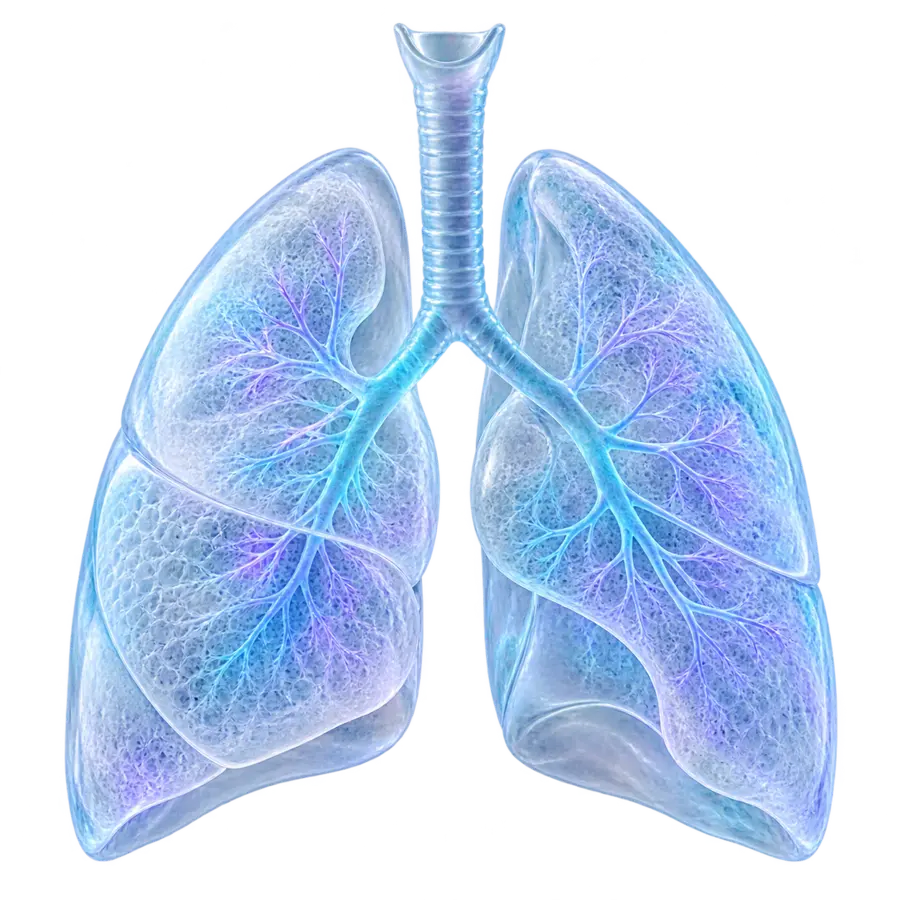
Six tissue sources.

Lung and liver lead development.

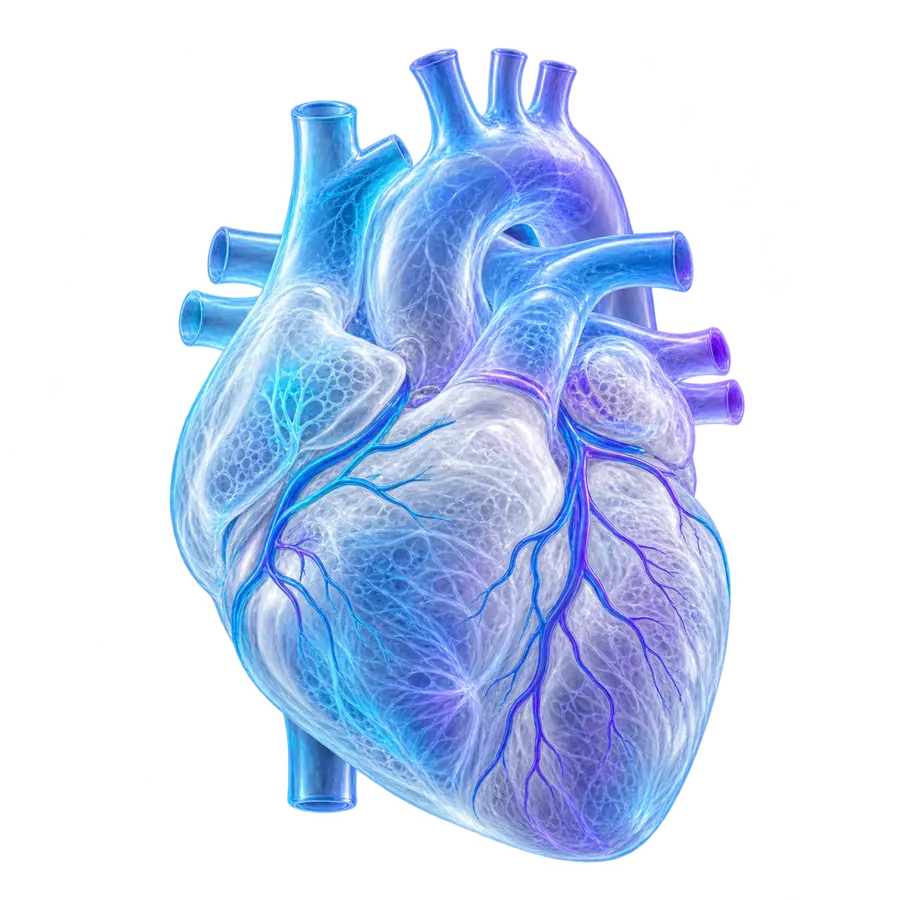
Stylized heart

03

Heart

Heart-muscle-derived matrix for cardiac cell-culture models.

In development
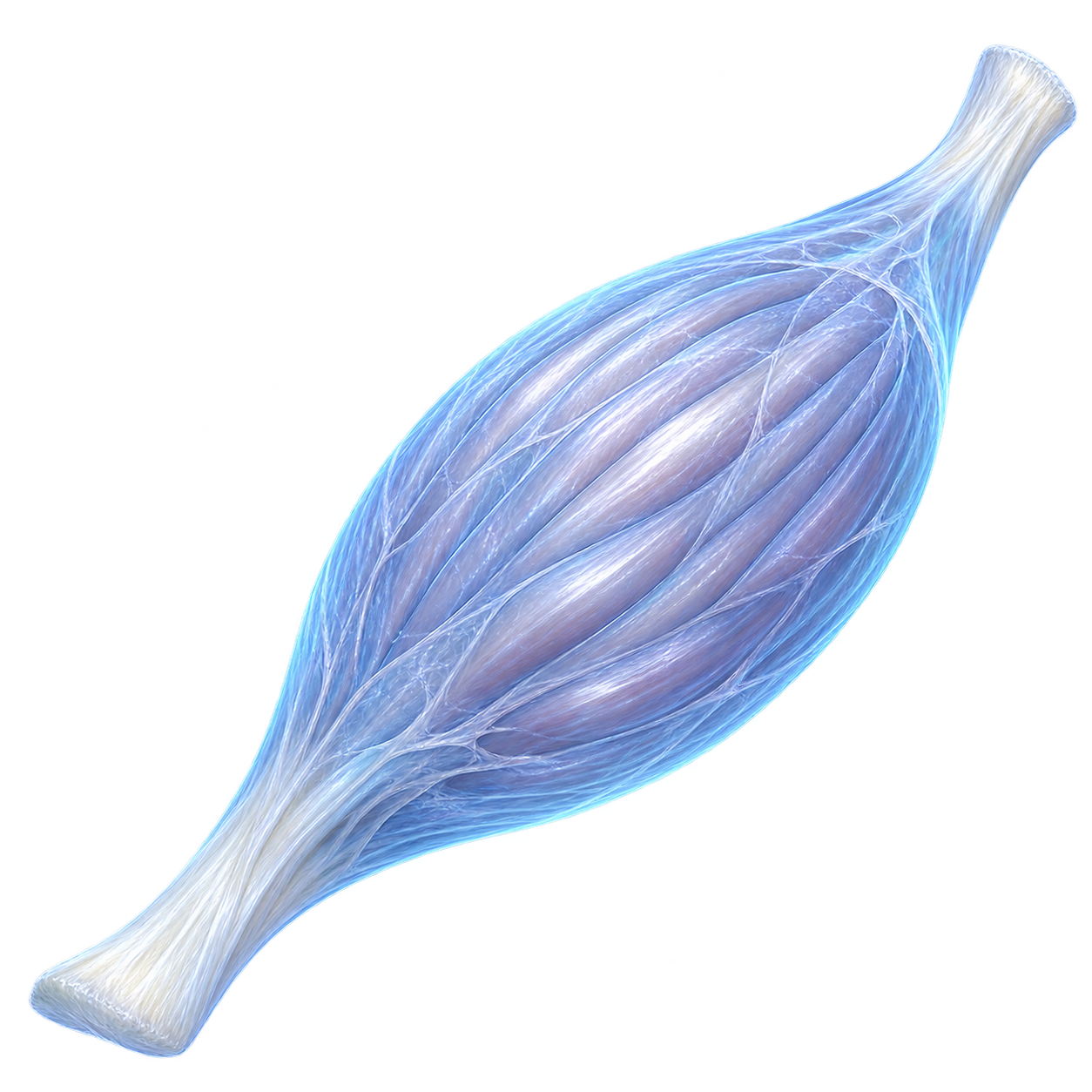
Stylized skeletal muscle with aligned fibres and tendons

04

Skeletal muscle

Skeletal-muscle-derived matrix for muscle cell-culture models.

In development
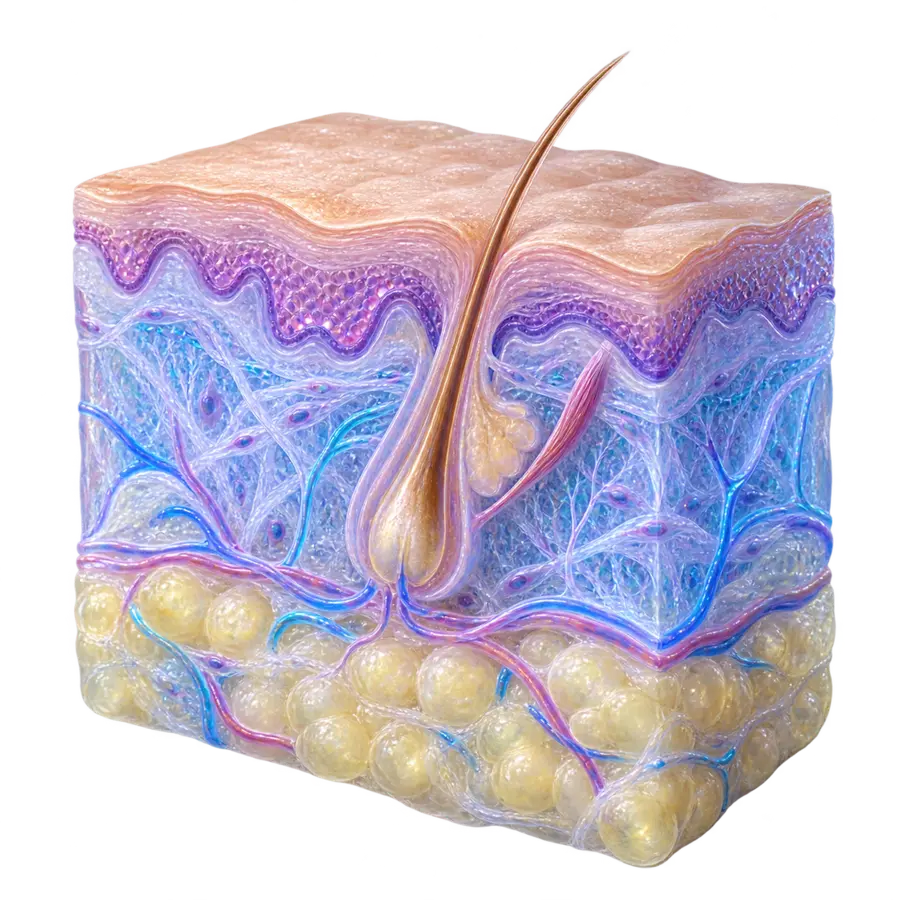
Stylized cross-section of skin

05

Skin

Skin-derived matrix for cutaneous cell-culture models.

In development
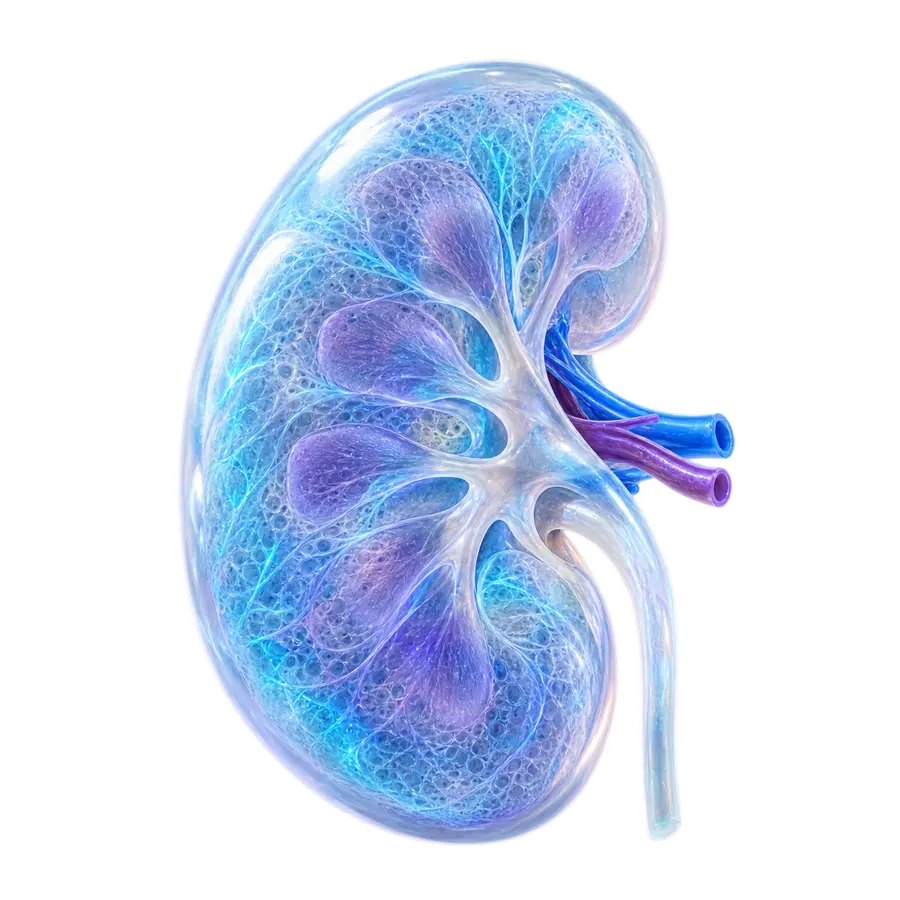
Stylized human kidney

06

Kidney

Kidney-derived matrix for renal cell-culture models.

In development

The portfolio is in development. Products are not yet available for sale.

Drug testing.
In 3D lung models.

First focus Pulmonary fibrosis

Our research program compares drug responses in 3D lung ECM models, studying matrix stiffness and human donor variation.

Drug-response study

Your research question

Start with your
drug candidates.

Choose the compounds and the response to measure.

Set up the comparisonCandidate compounds + study controls

The TissueForge model

Test drugs in
a 3D lung model.

Study how matrix conditions and human donor variation shape drug responses in 3D lung-matrix models.

  • Lung-derived ECM
  • Human donor cells
  • Adjustable matrix stiffness

Evidence for the next decision

Compare responses.
Plan the next study.

Compare responses across matrix conditions and donors to guide further testing.

Bring the evidence togetherDrug response · Matrix stiffness · Donor variation

The people behind TissueForge.

Dr. Mohd Dabaghi

Co-founder & CEO

Dr. Mohd Dabaghi

Mohd is a biomaterials scientist and bioengineer with more than a decade of research in cell biology, tissue-derived ECM and biofabrication. He develops engineered matrices and human cell models for laboratory research.

Neda Saraei

Co-founder & CTO

Neda Saraei

Neda is a biomedical engineer working on tissue engineering, biomaterial fabrication and advanced cell-culture models. Her work combines material formulation with multicellular tissue models, including engineered skin, and reproducible experimental workflows.

Products and testing services are in development.

Next steps include product qualification, external research use and pilot studies for the pulmonary-fibrosis testing program.

TissueForgePulmonary fibrosis

Explore pulmonary fibrosis

From the lung.
To the model.

How scarring changes the lung matrix, and how we study drug responses in 3D.

Choose a view to explore.

Tunable mechanical properties.

Hydrogel between parallel rheometer plates
Hydrogel mechanics.

Concentration-dependent mechanics

Adjust concentration to tune the mechanical response.

Storage modulus G′
Storage modulus rises as concentration increases. Arrows indicate increasing concentration and modulus.

Elastic energy storage

Loss modulus G″
Loss modulus rises as concentration increases. Arrows indicate increasing concentration and modulus.

Energy dissipation

Compressive modulus E
Compressive modulus rises as concentration increases. Arrows indicate increasing concentration and modulus.

Resistance to compression

Illustrative trends. Tissue source, formulation and gelation conditions also shape the response.

Stress relaxation

At constant strain, stress decreases over time.

Three stress relaxation curves start at the same stress and decrease at slower, intermediate and faster rates toward the same equilibrium stress.
  • Slower
  • Intermediate
  • Faster

Illustrative relaxation rates.

Cell culture, in focus.

Fluorescence microscopy showing elongated cell shapes, green filament networks and magenta regions.
Cell morphology under fluorescence microscopy.

Cell–matrix interactions

Cell attachment and spreading.

Tissue-derived ECM provides a matrix for cell culture, with mechanics shaped by the formulation.

TissueForgeMatrix architecture

Decellularized matrix

A matrix of fibres.

Explore the fibres, crossings and spaces within the matrix.

Field 01 / 04

Colour-highlighted microscopy view of the fibrous matrix, field 01
TissueForgeECM biology
TissueForgeMatrisome explorer

THE BIOLOGY BEHIND THE MATRIX

Lung.

Explore the proteins that shape its extracellular matrix.

Explore protein evidence

IN THIS CATALOG

Human lung

gene entries

Core ECM Associated

CATALOG COMPOSITION

Six groups. Different roles.

Counts of catalog gene entries · not tissue abundance

LOOK CLOSER

Find a protein.

Lung matrisome gene entries, biological roles and species-specific protein evidence
ProteinECM groupBiologyProtein evidence
Sources & how to read this explorer

Protein-level evidence from published lung studies. A detected protein does not establish its function or a causal role in disease. “Summary not yet added” means the entry has protein evidence but no curated biology summary here; it does not mean the protein has no biological role.

The catalog counts gene entries; reference studies may count protein accessions. Counts reflect the included studies and are not a complete inventory of every lung protein.

Charts and summaries created by TissueForge from the cited sources. Gene names are curated, duplicate entries grouped, and verified one-to-one orthologs joined using MGI. Other mouse genes remain separate. Molecular-function annotations draw on UniProt and the individually cited primary studies. Reference studies use different methods and historical classifications; their counts are not direct species comparisons.

    TissueForge Biomaterials

    For your research

    Request
    samples.

    Tell us about your model and the material you need.

    • Choose a tissue source.
    • Tell us your preferred chemistry and format.
    • Discuss specifications and availability with our team.

    Sample availability and specifications are confirmed after we review your request.

    analysis@tissueforgebio.com